
How to Reduce Condensation and Dampness in Waikato Homes
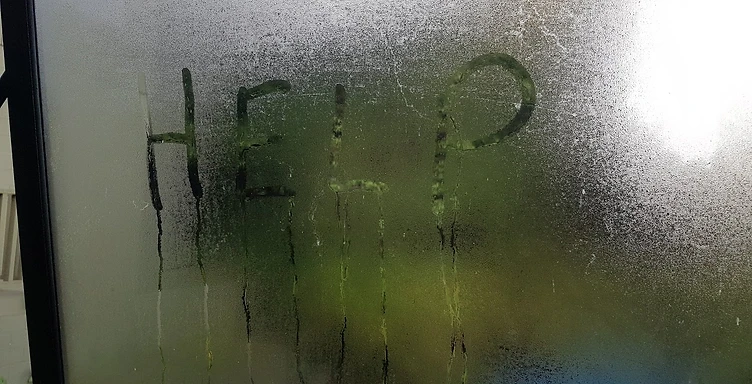
A room-by-room plan for Waikato homes: where moisture comes from, how to extract it at the source, and where whole-home ventilation fits in.
Condensation and dampness in Waikato homes are rarely caused by one thing. They build up from a series of small, ordinary activities: showers, cooking, washing, breathing, wet shoes, a bathroom fan that does not work, and a house that is closed up through winter.
This guide is a practical plan you can work through room by room. If you want the underlying science, our article on why windows are wet every morning explains how warm, humid air meets cold glass. This article focuses on what to do about it.
Start with the biggest moisture sources
Before spending money on a ventilation system, identify where the moisture is coming from. In most homes the main sources are:
- Showers and baths
- Cooking, especially boiling without lids
- Drying washing indoors
- Unflued gas heaters, which release both moisture and combustion by-products
- Damp underfloor areas or leaks
Fixing an obvious source is usually the highest-value step. A bathroom fan that vents into the roof space, a leaking downpipe or a damp subfloor will undermine any ventilation system you add later.
Bathroom
Bathroom extraction is the single most effective moisture control measure in most homes. The fan should be ducted to the outside, not into the roof cavity, and it should run long enough to clear the moisture after a shower. A run-on timer of around 15 minutes is common, and continuous low-level extraction can be a good option for busy bathrooms.
Keep the fan clean and check that air is actually moving. A fan that is noisy but weak, or blocked by dust, gives a false sense of security.
Kitchen
Cooking releases a surprising amount of water vapour. Use a rangehood that extracts to the outside, not a recirculating filter, and run it while you cook and for a few minutes afterwards. Lids on pots and pans make a real difference.
If your kitchen has no external extraction, this is worth addressing before adding whole-home ventilation.
Laundry
Drying washing indoors can add several litres of moisture to the air in a single day. Dry outside when you can. If you must dry inside, use a room with extraction or a garage with airflow, not the lounge.
Condenser dryers collect the water in a tank or send it down a drain, but they still release warm, humid air into the room while they run. Heat pump dryers use less energy for the same job, and they also need airflow around the unit.
Bedrooms
People often overlook bedrooms because they feel dry during the day. Overnight, breathing adds moisture to a closed room while windows get colder. That combination is why morning condensation shows up on bedroom glass.
Simple steps help:
- Air the room in the morning, even briefly
- Keep beds slightly away from external walls so air can move
- Do not block ventilation outlets with furniture or curtains
- Leave bedroom doors open during the day where practical
Living areas
Air movement matters as much as air exchange. Furniture pushed against exterior walls reduces airflow and can create cool, damp patches. Curtains that cover ventilation outlets defeat the system.
If you use an unflued gas heater, understand that it adds moisture to the room as it burns. That does not mean every unflued heater is unsafe, but it is a moisture source worth accounting for.
Heating and ventilation are different jobs
A warmer home holds less condensation on surfaces, because warm surfaces are less likely to drop below the dew point. That is a reason to heat rooms properly. It does not mean heating removes moisture. The moisture is still in the air; it just condenses less readily.
Ventilation is the part that replaces moist air with drier air. It does not add heat. Any claim that a ventilation system will warm your house should be treated with caution, and the same goes for claims that ventilation alone will eliminate condensation in every situation.
The best results usually come from combining:
- Moisture control at the source
- Effective extraction in bathrooms and kitchens
- A reasonable level of heating
- Insulation and draught control
- Whole-home ventilation where it suits the house
Whole-home ventilation
Once the sources and extraction are sorted, whole-home ventilation can help move air through the house continuously. Positive pressure systems suit many older Hamilton homes. Balanced systems, including heat recovery, are usually a better fit for airtight modern homes. The right choice depends on the building, not on a generic recommendation.
Running the system through winter matters. A ventilation system switched off in the coldest months is not doing much about winter condensation. You can read more about home ventilation systems and balanced fresh air systems before deciding.
A simple weekly routine
- Run the bathroom fan during and after every shower
- Use external extraction whenever you cook
- Dry washing outside or in an extracted space
- Air bedrooms each morning
- Wipe condensation off windows rather than letting it run onto frames
- Check that vents and outlets are clear
- Look for new damp patches, musty smells or mould regrowth
When to get a professional assessment
It is worth getting advice if:
- Windows are wet most mornings despite your efforts
- Mould keeps returning after cleaning
- A room smells musty even when it looks clean
- Bedrooms are noticeably colder and damper than the rest of the house
- You are renting out a property and want to improve ventilation
An assessment should look at the house rather than just sell a system. It should consider roof space, extraction, insulation, heating, moisture sources and how the home is used.
What not to expect
No ventilation system can guarantee a condensation-free home. Leaks, rising damp and water ingress need to be fixed. Extraction and ventilation reduce the conditions that cause condensation, and that is a realistic and worthwhile outcome.
Common Questions
What is the most effective way to reduce condensation?+
Start with extraction at the source: a ducted bathroom fan that runs long enough, external kitchen extraction, and drying washing outside. Then improve air movement and consider whole-home ventilation. Heating helps surface temperatures, but it does not remove moisture from the air.
Will ventilation stop condensation completely?+
Ventilation replaces moist indoor air with fresher air, which reduces the conditions that cause condensation. It cannot guarantee a condensation-free home, and it does not heat the house. Leaks and rising damp need to be fixed separately.
Does a bathroom fan help if it vents into the roof space?+
Yes, if it is ducted to the outside and sized for the room. A fan that vents into the roof space moves moisture around the house rather than out of it. A run-on timer also helps clear moisture after a shower.
Why is my house still damp after installing ventilation?+
Often the issue is a combination of little heating, blocked ventilation outlets, no source extraction and a house that is closed up. Start with the moisture sources, then look at heating and whole-home ventilation. An assessment can identify what is missing.
Related reading


Need help with your home?
Get a free quote from your local Hamilton ventilation team.