
Why Are My Windows Wet Every Morning? Condensation in Hamilton Homes

Waking up to wet windows? Learn what causes condensation in Hamilton homes, how ventilation and extraction can help, and when to get your home assessed.
If you're waking up to water running down the inside of your windows, you're not alone.
Condensation is common in New Zealand homes, particularly through the colder months when warm, moisture-laden indoor air comes into contact with cold glass.
The water on the window is the visible part of the problem. It can also be a sign that your home is holding more moisture than it can effectively remove.
Everyday activities such as showering, cooking, drying clothes indoors and simply having people living in the house all add moisture to the air. When that moisture has nowhere to go, condensation can build up on cold surfaces.
What actually causes condensation?
Air can hold water vapour. Warm air generally holds more moisture than cold air. When warm, humid indoor air reaches a cold surface such as a window, it cools rapidly.
Once it cools enough, some of that moisture changes from water vapour into liquid water. That's the condensation you see on the glass.
The colder the window and the higher the indoor humidity, the more likely condensation becomes.
Why is it often worse overnight?
Bedrooms can be particularly prone to morning condensation.
While you're sleeping, moisture is continually being added to the room through breathing. At the same time, outdoor temperatures usually fall and the windows become colder.
If the bedroom is closed up overnight with limited air movement, humidity can build. By morning, you may have wet glass, water running onto the window sill or moisture around the window frame.
Is wiping the windows enough?
Wiping the windows removes the water you can see, but it doesn't address why the moisture accumulated in the first place.
If you're regularly wiping down windows every morning, it's worth looking at the wider moisture balance in the house. Things to consider include:
- Bathroom extraction
- Kitchen extraction
- Drying clothes indoors
- Existing heating
- Insulation
- Air movement
- Home ventilation
- How many people occupy the house
Can a ventilation system help?
A properly designed home ventilation system can help replace stale, moisture-laden indoor air with fresher air and improve air movement through the house.
Different homes require different approaches. Existing Hamilton homes may suit a positive-pressure ventilation system, while newer and more airtight homes may benefit from balanced fresh-air or heat-recovery ventilation.
The important part is choosing a system suited to the house rather than simply installing the biggest or most expensive system available.
Positive pressure or balanced ventilation?
Positive-pressure systems generally introduce filtered air into the home and help move existing indoor air out through natural leakage paths.
Balanced systems mechanically control both incoming fresh air and outgoing stale air. Heat-recovery ventilation can also transfer some heat from outgoing air to incoming fresh air.
Which approach is appropriate depends on the construction, age, airtightness and heating of the home. You can read more about fresh air and balanced ventilation on our dedicated page.
Don't forget bathroom and kitchen extraction
Ventilation isn't only about a system in the ceiling. Bathrooms and kitchens can produce large amounts of moisture in a short period of time.
Effective extraction removes moisture close to where it is created rather than allowing it to spread throughout the house. An old, undersized or poorly ducted bathroom fan can make condensation problems worse.
Does heating help?
Heating can help because warmer surfaces are less likely to reach the temperature at which condensation forms. But heating and ventilation do different jobs.
Heating raises the temperature. Ventilation helps manage stale air and moisture. In many homes, the best result comes from a combination of effective heating (such as a heat pump) alongside extraction, and heat-transfer systems that move warm air from heated rooms into colder bedrooms.
What about mould and damp smells?
Persistent condensation and high indoor moisture can create conditions where mould and dampness are more likely to develop.
If you're seeing recurring mould, musty smells or damp areas, don't simply assume that installing a ventilation unit will solve everything. Moisture can also come from leaks, drainage problems, subfloor moisture or other building issues.
The source of the moisture needs to be understood. Our page on condensation and moisture control covers this in more detail.
Waking up to windows like these?
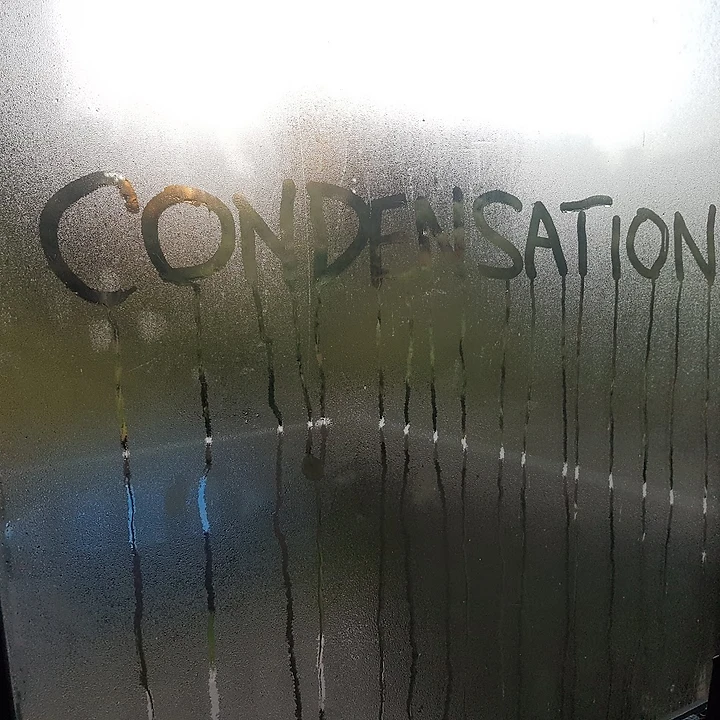

Heavy morning condensation on residential windows.
If your windows regularly look like this in the morning, talk to us about what's happening in the house. We can look at the existing ventilation, heating and extraction and discuss practical options for improving airflow and moisture management.
How do I reduce condensation in my home?
Some practical steps include:
- Use bathroom extraction whenever showering.
- Use a properly ducted kitchen rangehood when cooking.
- Avoid drying large amounts of washing indoors where possible.
- Keep the home adequately heated.
- Open windows when conditions allow.
- Check that existing extractor fans are actually working effectively.
- Consider whole-home ventilation where appropriate.
No single solution suits every property. If you're weighing up a whole-home system, it helps to understand how much a home ventilation system costs in Hamilton.
Get help with condensation in Hamilton
If you're constantly wiping wet windows, dealing with damp bedrooms or noticing stale or musty air, 2E Electrical can help assess what's happening.
We install home ventilation, fresh-air systems, heat-transfer systems, extraction and heating solutions throughout Hamilton and the wider Waikato.
Common Questions
Why are my windows wet every morning?+
Warm, humid indoor air meets cold window glass overnight and cools rapidly, so moisture turns into liquid water on the glass. Daily activities like showering, cooking and drying washing indoors add to the moisture in the air.
Does ventilation stop condensation?+
A well-designed ventilation system can significantly reduce condensation by replacing stale, moisture-laden indoor air with fresher air and improving air movement. Extraction in bathrooms and kitchens matters too, because it removes moisture close to where it is created.
Why is condensation worse in bedrooms?+
While you sleep, breathing continually adds moisture to the room. Outdoor temperatures usually fall overnight, so the windows get colder, and a bedroom closed up with limited air movement lets humidity build until it condenses on the glass.
Does heating reduce condensation?+
It helps, because warmer surfaces are less likely to reach the temperature at which condensation forms. But heating and ventilation do different jobs, and in many homes the best result comes from combining effective heating, extraction and ventilation.
Which ventilation system is best for condensation?+
It depends on the house. Positive-pressure systems often suit older Hamilton homes, while newer, more airtight homes may benefit from balanced fresh-air or heat-recovery ventilation. A home assessment is the best way to choose a system suited to the house.
Need help with your home?
Get a free quote from your local Hamilton ventilation team.