
Damp Rental Properties in Hamilton: A Ventilation Checklist for Landlords

Maintaining a dry rental property in the Waikato requires consistent effort. We provide a practical checklist to help Hamilton landlords manage moisture and improve tenant comfort.
Understanding the Moisture Challenge in Waikato Rentals
Hamilton winters are famously damp. For property owners, managing the indoor environment is a critical part of property maintenance and meeting Healthy Homes Standards. Excess moisture leads to mould growth and potential damage to building materials, which in turn affects the long-term integrity of your investment. It is important to distinguish that while ventilation helps manage airborne moisture, it is not a heating solution. A well-ventilated home is easier to heat, but you must ensure adequate primary heating is also present to reach comfortable temperatures.
The Landlord Ventilation Checklist
1. Evaluate Bathroom Extraction
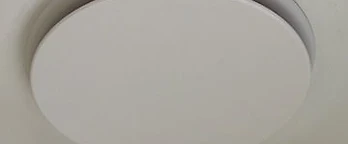
Moisture is primarily generated in wet areas. If your tenants are relying on opening windows in the bathroom during a cold Waikato morning, moisture is likely staying inside. Ensure that high-quality extraction fans are installed and properly ducted to the exterior of the property. Check that fans are not just pushing moist air into the roof space, as this can lead to timber rot and insulation saturation.
2. Inspect Kitchen Ventilation
Cooking creates significant amounts of steam. A rangehood should be ducted directly outside, not recirculated back into the room through a filter. During inspections, check that the rangehood filters are clean and that the fan is drawing air effectively. Educating tenants on using the rangehood for the duration of cooking can make a tangible difference to daily moisture levels.
3. Check Passive Airflow Paths
Many older homes in Hamilton rely on passive airflow. If you have updated your property with new curtains, heavy window dressings or tight-fitting joinery, you may have inadvertently restricted natural ventilation. Ensure that vents are not blocked by furniture or insulation batts. Even in winter, a small amount of airflow is necessary to move moist air out of the building envelope.
4. Review Sub-Floor Conditions
If a property has a crawl space or sub-floor area, check for standing water or damp soil. In some Hamilton properties, installing a ground vapour barrier can be an effective way to stop rising damp from entering the home. If the sub-floor is perpetually damp, speak with a professional about whether improved ground drainage or ventilation is required.
Making Improvements to Your Rental
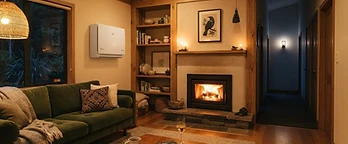
If you find your rental property is consistently struggling with condensation, it may be time to consider a more proactive approach. Modern mechanical ventilation systems can assist in replacing stale, moist indoor air with drier, filtered air from the roof space or outdoors. This process helps create a healthier environment for your tenants by maintaining a constant exchange of air.
At 2E Electrical, we specialise in assessing Hamilton properties to determine the most practical ventilation solutions. We don't provide legal advice regarding compliance, but we do provide the technical expertise to install systems that improve your property's airflow and moisture management capabilities. Whether you need a simple bathroom fan upgrade or a whole-home system, our team is ready to assist.
For advice on selecting the right setup for your specific property layout, explore our Home Ventilation Systems page or contact our team directly at 0800 233 532. You can also send an email to office@2eelectrical.co.nz for a consultation.
Common Questions
Does a ventilation system replace the need for heating?+
No. Ventilation systems are designed to manage moisture and air quality. They do not heat the home, though a drier home is generally more energy-efficient and faster to heat than a damp one.
Should my bathroom fan vent into the roof space?+
No. Extraction fans should always be ducted directly to the outside of the building. Venting into the roof space can cause mould growth on roof framing and damage to ceiling insulation.
How can I tell if my rental property needs better ventilation?+
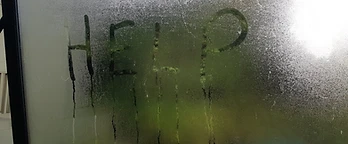
Common signs include persistent window condensation in the mornings, a musty smell, peeling wallpaper, or visible mould growth in bathrooms and kitchens.
Related reading



Need help with your home?
Get a free quote from your local Hamilton ventilation team.