
Bathroom Extraction Fans: Choosing the Right Size for a Waikato Home
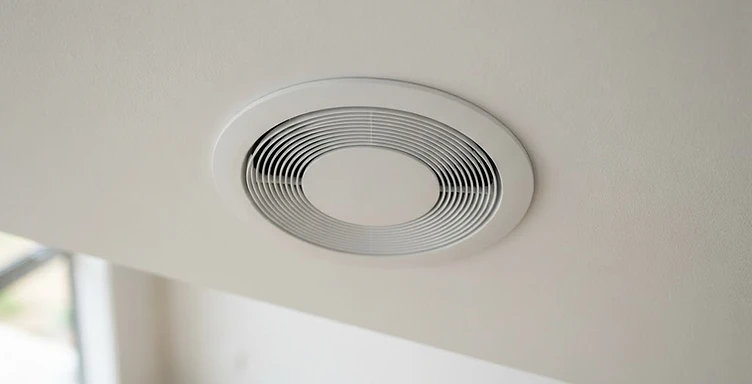
Discover why sizing, ducting and timer settings are essential for effective bathroom extraction in the humid Waikato climate.
Living in the Waikato, we are all too familiar with damp, grey mornings and the challenge of keeping our homes dry. While winter condensation is a common issue for many, the bathroom often acts as the primary source of excess moisture. If your bathroom mirror stays fogged long after you have finished your shower, or if you notice peeling paint and a musty scent, your extraction fan might not be up to the job. A bathroom extraction fan is more than just a spinning blade. It is a critical component for managing indoor air quality and protecting your home from the long-term impacts of steam.
Why Size Matters in Your Bathroom
Many homeowners assume that all fans are created equal, but sizing is the most important factor in effective moisture removal. If a fan is too small for the room, it simply cannot move the volume of air required to clear steam before it settles on your walls, ceilings and towels. Conversely, an oversized fan in a very small room can sometimes create unwanted noise or drafts. When selecting a fan, we consider the cubic volume of the bathroom. The goal is to ensure the fan has enough power to replace the air in the room several times per hour. In the humid conditions often found in Hamilton, having an adequately sized unit is vital for preventing the lingering dampness that eventually leads to mould growth.
The Role of Ducting and Airflow
Even the most powerful fan will struggle if the ducting is incorrect. The path that moist air takes to leave your home is just as important as the fan itself. Poorly installed ducting, such as sections that are too long, have too many bends or are crushed within the roof space, creates resistance. This back-pressure reduces the airflow, making the motor work harder while moving less steam outside. Ideally, the path to the exterior should be as direct as possible. We also recommend using insulated ducting in your roof space to prevent the moisture inside the duct from cooling down and turning back into water before it exits your home. This process, known as condensation within the ducting, is a common cause of dripping fans.
Why Run-on Timers Are Essential
Most people switch off their fan as they leave the bathroom, but that is often exactly when the fan should be working the hardest. Steam lingers in the air and continues to settle on surfaces for several minutes after the shower is turned off. This is where a run-on timer becomes a smart investment. A timer allows the fan to continue operating for a set period after you have exited the room, ensuring the remaining humid air is successfully exhausted. Without this, that residual moisture stays trapped in the room, slowly soaking into porous surfaces. While a fan does not provide heat, keeping a bathroom dry does make the space feel less cold, as dry air is much easier to warm up than damp, heavy air.
Signs Your Fan Is Not Performing
If you are unsure whether your current setup is effective, observe your bathroom after a warm shower. If you notice significant water beading on the ceiling or walls, or if the bathroom smells musty, the extraction is likely insufficient. Another sign is a fan that makes significant vibration or rattling noises, which can indicate an aging motor or loose housing. Often, we find that older fans have become clogged with dust over the years, which significantly restricts their performance. If your fan is struggling, it may be time to discuss an upgrade or a professional check with 2E Electrical to ensure your ventilation system is correctly configured for your specific bathroom layout.
Common Questions
Does a bathroom fan act as a heater?+
No, an extraction fan is designed solely for removing moisture and air. It does not provide heating, although a dry bathroom will typically feel more comfortable than a damp one.
Why is there water dripping from my bathroom fan?+
This is often caused by warm, moist air condensing inside the ducting before it reaches the outside, usually because the ducting is not insulated.
How long should a bathroom fan run after I shower?+
We recommend a run-on timer that keeps the fan active for 5 to 10 minutes after you leave, allowing the remaining steam to be fully cleared.
Related reading




Need help with your home?
Get a free quote from your local Hamilton ventilation team.